

How to Use a Forensic Psychiatrist Expert Witness in Mass Tort Litigation: Lessons from Multi-Plaintiff Cases
When a plaintiff firm takes on a mass tort case involving psychiatric or psychological harm, the evidentiary demands are different from anything in single-plaintiff litigation. Scale changes everything. This post explains how forensic psychiatric and psychological expert witnesses conduct assessments of emotional damages claims in multi-plaintiff cases, what attorneys need to plan for, and why engaging forensic psychiatric and psychological experts early will significantly help plaintiff or defense counsel manage the damages claims in complex litigation.
Why Mass Tort Psychiatric Work Is Different
In single-plaintiff cases, a forensic psychiatric evaluation is focused on one person’s history, one set of records, and one clinical picture. In mass tort litigation, you may have dozens or hundreds of claimants alleging psychiatric injury from the same incident or ongoing exposure, such as a workplace shooting, a pipeline explosion, a product liability, or a pattern of discriminatory housing conditions.
The challenge is not just volume. Defense counsel will scrutinize whether evaluations are consistent, whether diagnoses are supported by objective findings, and whether the methodology holds up to a Daubert challenge. A forensic psychiatrist expert witness in this context needs both clinical and forensic training and expertise to apply an assessment protocol that can be accurately replicated across every examined claimant.
What Counts as Psychiatric Harm in Mass Tort Cases
Not every claim of distress will meet the threshold for a compensable psychiatric diagnosis. In mass tort litigation, the most common diagnoses across plaintiff groups include:
- Post-Traumatic Stress Disorder (PTSD), including complex PTSD in prolonged exposure cases
- Major Depressive Disorder, often co-occurring with PTSD
- Generalized Anxiety Disorder and Acute Stress Disorder
- Adjustment Disorders with significant functional impairment
- Somatic symptom disorders with documented physical manifestations
- Neurocognitive effects where toxic or traumatic exposure is alleged (assessed by a forensic neuropsychologist expert witness)
Establishing that a diagnosis is both real and causally linked to the defendant’s conduct is the core task. That requires more than a plaintiff’s self-report. It requires a structured forensic psychiatric evaluation that includes the administration, scoring and interpretation of robust (neuro)psychological testing by a forensic (neuro)psychologist, that weighs pre-existing conditions, alternative explanations, and the totality of the medical records and other legal documents.
The Multi-Plaintiff Psychiatric Evaluation: How It Actually Works
A well-run multi-plaintiff psychiatric evaluation process starts with a defined protocol, agreed upon by retaining counsel before a single claimant is seen. The protocol sets the scope of each psychiatric independent medical evaluation, standardizes the questions to be addressed and the data relied upon, and establishes the evaluation procedure(s) the expert will apply consistently across the group.
In practice, the process typically unfolds in stages:
- If requested, an initial review by experts of any thumbnail data on plaintiffs gathered by plaintiff counsel or responses to interrogatories received by defense counsel. Legal review of this preliminary data may focus on different data and rase different questions from the experts review of the same data This initial screening assists both experts and counsel in separating the group of plaintiffs into strata, those plaintiffs most likely damaged, those least likely damaged and those whose damage claims fall in between. This process helps the expert and attorney team decide which plaintiff should be fully evaluated vs. those for whom a record review only may be sufficient, barring additional information supporting the need for a full forensic assessment.
- A complete records review for each claimant, including medical, psychiatric, employment, legal, and social history records
- Robust (Neuro)Psychological testing administration, scoring, interpretation and reporting by a forensic (neuro)psychologist including neurocognitive testing where indicated, to objectify emotional symptoms if any and cognitive functioning if indicated.
- Structured forensic psychiatric interview, conducted in person or via secure video, obtaining a detailed psychiatric history from the plaintiff
- Individual reports for each claimant, with a consistent structure that allows side-by-side comparison
- A group-level summary report, where appropriate, identifying common patterns of harm across the plaintiff population and accepted standards for diagnosis, treatment and prognosis of claimed damages.
The combination of individual expert assessment and evidence collection combined with aggregate group-level analysis can be a powerful tool unique to multiplaintiff litigation. Individual opinions and testimony is credible because they are grounded in that claimant’s specific evidentiary facts.However, in multiplaintiff litigation, every plaintiff is a potential collateral informant for every other plaintiff. Thus the aggregate group evidence can provide additional evidence pertinent to emotional damages claims by individual plaintiffs who are members of a larger group.
Forensic Psychiatric Expert Witnesses and Daubert: What Defense Will Challenge
Plaintiff or defense legal teams in mass tort litigation may target psychiatric expert testimony at the Daubert stage. The questions they raise are predictable, and a well-prepared forensic psychiatrist expert witness should be ready for all of them.
Common Daubert challenges to psychiatric expert witness testimony include:
- Whether the diagnostic criteria applied are based on recognized standards (DSM-5-TR or ICD-11)
- Whether causation opinions account for pre-existing psychiatric conditions
- Whether the expert reviewed sufficient records before forming opinions
- Whether the evaluation methodology is generally accepted in forensic psychiatry
- Whether individual (neuro)psychological tests utilized meet the Daubert (or Frye) standard for scientific evidence acceptable to the Court.
- Whether symptom validity and effort were assessed, particularly when malingering is alleged.
Attorneys should ask prospective experts directly how they handle these challenges. An experienced forensic psychiatrist should be able to point to published methodology, prior cases where theirs or similar testimony survived Daubert scrutiny, and their approach to detecting and documenting symptom validity.
Lessons from High-Stakes Multi-Plaintiff Cases
Three case types illustrate how psychiatric expert witness work functions at scale, and what makes it succeed or fail.
Workplace Violence and Mass Casualty Events
Following a workplace shooting, survivors and witnesses may present with acute stress reactions that evolve into chronic PTSD. The challenge is that clinical trajectories vary: one employee may return to work within months while another never does. Expert witness testimony for mental health litigation in these cases must account for individual variation while still demonstrating that the event was the proximate cause of harm across a group of multiple plaintiffs. Specifically with regard to PTSD, whether or not the diagnosis is supported by evidence including functional impairment ultimately depends upon the balance of vulnerability and resiliency factors within the individual claimant.
Environmental Disasters and Industrial Accidents
Pipeline explosions and industrial accidents often produce both physical injury and psychological trauma among nearby residents and workers. In these cases, forensic neuropsychologist expert witnesses play a particularly important role: where toxic exposure is alleged, cognitive testing can document changes in attention, memory, and executive function that cannot be attributed to malingering or emotional distress alone.
Systemic Discrimination and Civil Rights Cases
In housing discrimination litigation brought by the Department of Justice or private plaintiff groups, psychiatric expert witness testimony in civil litigation is used to establish that a pattern of discriminatory conduct caused measurable emotional harm to each affected person. These cases require the expert to connect systemic conduct to individual injury, which demands both population-level analysis and person-specific clinical findings.
Coordinating Forensic Psychiatry and Psychology Across Large Plaintiff Groups
One of the most underappreciated logistics challenges in mass tort psychiatric work is coordination. When dozens of psychiatric independent medical evaluations are running simultaneously, even minor inconsistencies in data collection or documentation can become ammunition for the opposing counsel at trial.
The following practices reduce that risk significantly:
- Designating a lead forensic psychiatrist to oversee all evaluations and maintain methodological consistency
- Using standardized interview protocols and validated symptom scales across every claimant
- Coordinating with forensic (neuro)psychologists and utilizing a standard “battery” of tests across the entire group of examined plaintiffs. Adding neurocognitive testing to the psychological “battery” when head injury is alleged and/or when issues of memory and cognitive dysfunction are included in the complaints of an individual’s damages.
- Maintaining a centralized record of all evaluations, records reviewed, and clinical findings
- Building report templates that ensure uniform structure while allowing individualized clinical analysis and opinions
Counsel should also call for sufficient time. A thorough forensic psychiatric evaluation of a single claimant takes time, and that time multiplies across a large plaintiff class, even though some economies of scale develop when all plaintiffs have experienced a common event or circumstances as the basis for the litigation. Engaging experts early, before the scheduling order is entered, avoids the situation where evaluation quality is compromised due to inadequate time permitted by court deadlines.
Practical Takeaways for Counsel
- Engage a forensic psychiatrist expert witness at case intake, not after discovery closes. Early involvement shapes the records review strategy and avoids evaluation gaps as well as duplicative and/or unnecessary assessment and costs.
- Ask any prospective expert how they handle a large volume of plaintiff cases and their prior experience working on multi-plaintiff litigation.A clinician without experience in multi-plaintiff psychiatric evaluation may produce work that is individually solid but indefensible at the mass tort level.
- Request a protocol document before work begins. A written evaluation protocol signals methodological seriousness and becomes a valuable exhibit if Daubert challenges arise.
- Request an initial budget that, although predicated upon initial assumptions about the required work including estimates of record volume, will be monitored and modified as the litigation unfolds.
- Plan for neuropsychological testing in cases involving alleged or likely claims of cognitive impairment, such as those arising from head trauma, toxic torts, or allegations of cognitive harm from some other cause. Objective test data from robust tests is accurate to the 90+ percentile, i.e., far more accurate than the preponderance of the evidence standard of proof to which an expert must testify.
- Verify expert qualifications specifically in forensic psychiatry, not just clinical psychiatry. Board certification in forensic psychiatry and prior experience in civil litigation are critical in complex mass tort work.
- Consider whether a group-level report is appropriate for your case. A summary analysis of psychiatric harm patterns across the plaintiff class can be a powerful tool at class certification and in settlement negotiations.
Working on a Mass Tort Case That Involves Psychiatric or Psychological Harm?
fpamed is a nationwide team of forensic psychiatric and (neuro)psychological experts with direct experience in multi-plaintiff psychiatric evaluation across some of the most complex civil cases in the country, including workplace violence, industrial disasters, toxic torts, sexual abuse, and civil rights litigation. Our work is evidence-based, methodologically consistent, and built solidly to hold up to cross examination in court.
If you are litigating a mass tort case and need an experienced forensic psychiatrist and forensic (neuro) psychologist testifying expert witness, who understands how to work at scale, we would be glad to speak with you. Contact us to book an initial no-obligation consultation call with our Medical Director, who can discuss your case, assess fit, and outline an approach that meets your litigation needs.
About the Author:
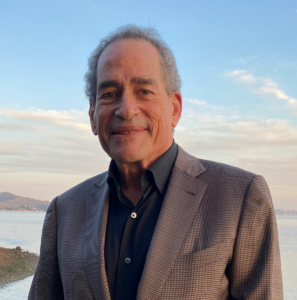
Mark I. Levy, MD, DLFAPA
Mark Levy, MD, DLFAPA specializes in civil matters including mass torts multiplaintiff litigation, emotional distress, personal injury, PTSD, sexual abuse, employment litigation, ADA, discrimination, undue influence and testamentary capacity in will contests. Dr Levy has served as expert in more than 500 legal cases, including over 65 trial testimonies. He is Associate Clinical Professor (Volunteer) in Psychiatry at the University of California, San Francisco and Adjunct Associate Clinical Professor of Psychiatry, Stanford University School of Medicine. More about Dr. Mark Levy.
